Coated vs Uncoated Paper: Which Fits Your Print
Coated vs uncoated paper is the first paper choice on almost every print job, and it changes how your colors, photos and type look. Pick the right one and the piece feels like your brand. Pick the wrong one and even good work looks flat.
Here is how the two compare, where matte fits in, and how to choose for each piece.
By PLC Print
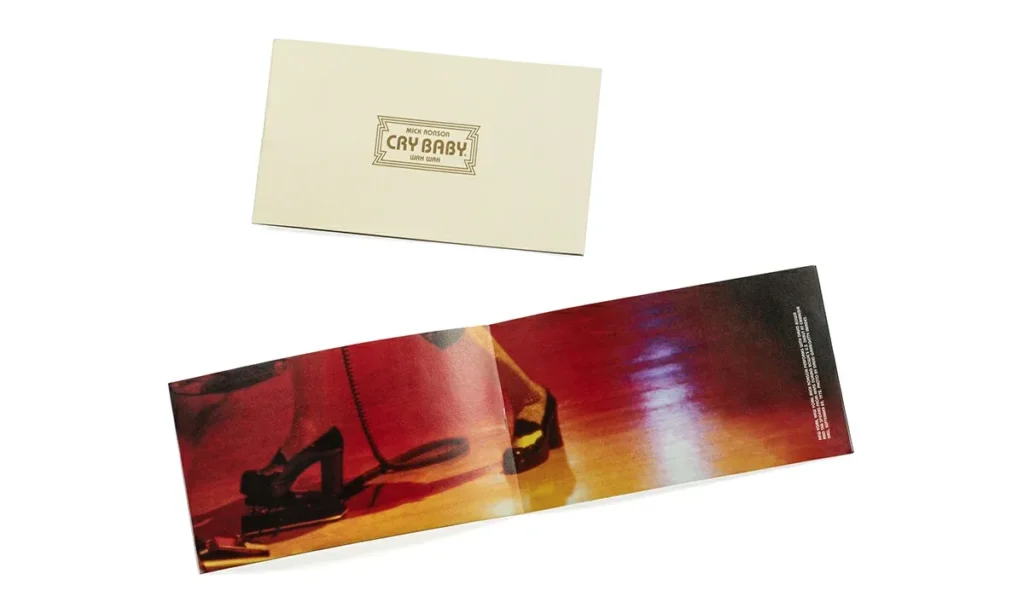
Coated vs Uncoated Paper Side by Side
| Coated | Uncoated | |
|---|---|---|
| Surface | Smooth, sealed with a coating | Natural, open paper fibers |
| Photos | Sharp, bright, high contrast | Softer, slightly darker |
| Long text | Gloss can glare; matte reads well | Easy to read |
| Writing on it | Hard with a pen or pencil | Easy |
| Typical pieces | Brochures, catalogs, lookbooks, sell sheets | Letterhead, envelopes, notepads, forms, cards |
Coated Paper: For Photos and Color That Pop
Coated paper has a clay or polymer layer on one or both sides. The ink sits on top of that layer instead of soaking in, so photos print sharper and colors look brighter. The coating also helps the piece stand up to dirt, moisture and handling.
Good for
- Brochures, catalogs, lookbooks and sell sheets where the photos do the selling.
Watch out
- A pen or pencil does not write well on it. Skip it for anything people fill in.
Uncoated Paper: For Text, Touch and Writing
Uncoated paper has no coating, so ink soaks into the fibers. The surface feels natural and a little textured. Color prints darker and softer, and fine photo detail is less crisp. In return, long text is easy to read and people can write on it.
Uncoated business cards are a good example. The stock feels solid in the hand, and someone can jot a note on the back after a meeting.
Good for
- Letterhead, envelopes, notepads, forms, menus and business cards with a classic feel.
Watch out
- Photo-heavy pages lose some punch. If the photos carry the piece, use coated.
Matte vs Gloss: Two Kinds of Coated
Coated does not always mean shiny. Gloss coated paper gives the most shine and the deepest color, but it can glare under lights and make text harder to read. Matte coated paper and dull coated paper keep the smooth, sharp print of a coating with much less shine.
That makes matte vs gloss mostly a question of how much reading the piece asks for.
Good for
- Gloss on image-led covers and product sheets. Matte on annual reports, catalogs and brochures with real copy.
Watch out
- Matte coated is still coated. It does not feel like uncoated paper and is still hard to write on.
Pantone Coated vs Uncoated: Why Your Brand Color Shifts
If your brand uses a Pantone color, you may have seen two versions in your guide, such as 185 C and 185 U. The C means coated paper and the U means uncoated. The ink is the same. The paper changes how it looks, because uncoated stock absorbs more ink.
So use the C or U value that matches the paper the job runs on.
Good for
- Brand teams that print the same color on brochures, cards and letterhead.
Watch out
- Check color on the stock it will print on. A screen will not show you the difference.
Finishes Depend on the Stock
The paper choice also shapes which finishes work best. A coated sheet takes varnish and spot UV well, because the ink stays on the surface. Embossing and foil stamping are often easier to do well on uncoated stock.
For a closer look at upgrades, see our guide to business card finishes.
Good for
- Soft-touch coating, spot UV, foil stamping and embossing on pieces people keep.
Watch out
- Pick the finish and the paper together. Changing one late can change the other.
Example: A Product Launch Kit
A made-up scenario, not a real client. A marketing team is launching a new product line. They need a 12-page brochure, a sell sheet, letterhead and business cards for the sales team.
Brochure
Matte coated. Sharp product photos, and the specs stay easy to read.
Sell sheet
Gloss coated. One big image and a short headline.
Letterhead and envelopes
Uncoated, so they print and sign cleanly.
Business cards
Uncoated with foil on the logo.
The brand color is listed in the guide as both a C and a U value. Our team matches each piece to the right value and sends a proof of each printed piece for sign-off.
The rule of thumb: photos lean coated, writing and touch lean uncoated.
Coated vs Uncoated Paper FAQ
What is coated paper?
Paper with a clay or polymer layer on one or both sides. Ink sits on that surface, so photos print sharper and colors look brighter.
What is uncoated paper?
Paper with no surface coating. Ink soaks into the fibers, which gives a natural feel, softer color and a surface that is easy to write on.
Is matte paper coated or uncoated?
Matte coated paper is coated. It has a coating with very little shine. It is not the same as uncoated paper, which has no coating at all. Some people say matte when they mean uncoated, so ask which one you are getting.
How can you tell if paper is coated or uncoated?
Coated paper feels smooth and slick, and it often has some sheen. Uncoated paper feels more like regular office paper and takes pen ink easily.
Can you write on coated paper?
Not well with a pen or pencil. For anything people sign or fill in, such as forms, notepads or reply cards, uncoated is the better choice.
Final Thoughts
The right paper depends on the piece. Start with what it has to do, like show off photos or get written on, and the stock follows from that.
Not Sure Which Stock Fits?
Our team helps you pick the paper, finish and print method for each piece, sends a proof, then prints and ships.