Business Card Finishes: Which Ones Are Worth It?
Business card finishes decide how a card feels before anyone reads your name.
Here is what each upgrade does, and which ones are worth paying for.
By PLC Print
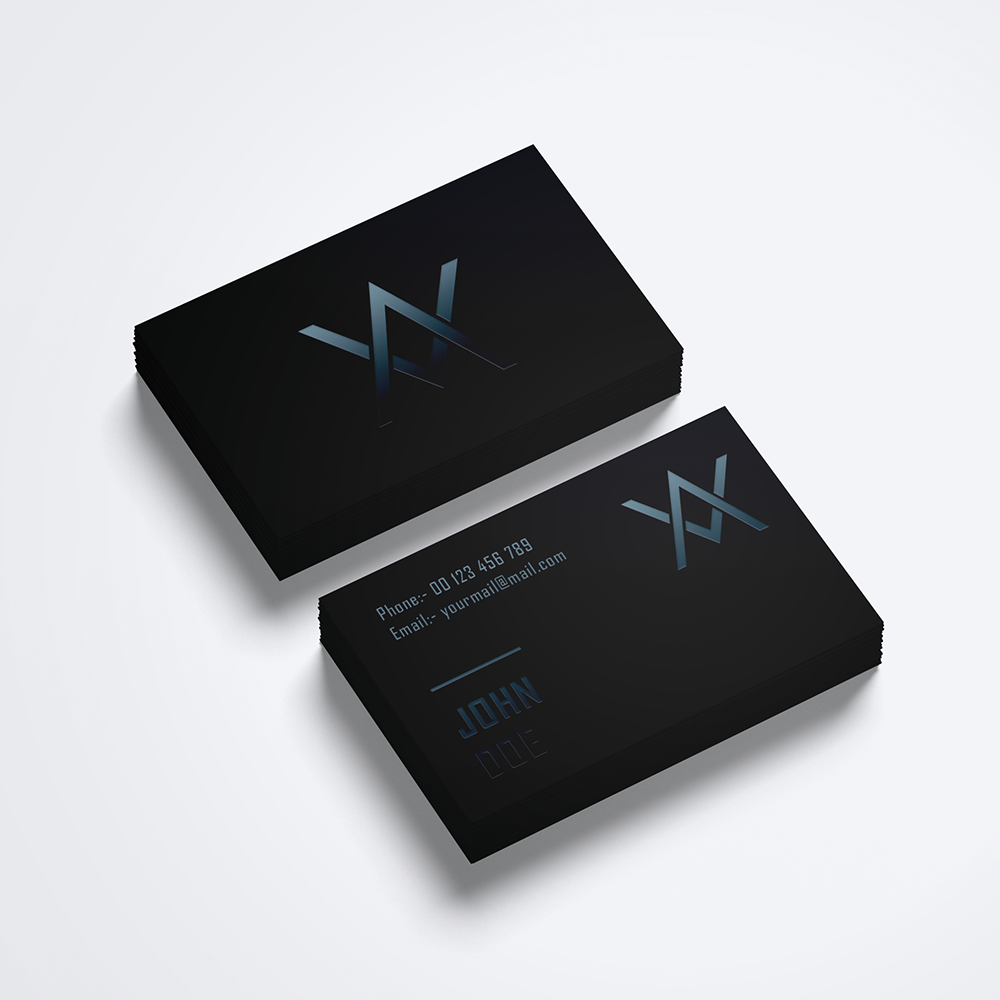
Business Card Finishes Side by Side
The most common upgrades, compared with a standard card.
| Upgrade | What you notice | Price bump | Good for |
|---|---|---|---|
| Thick stock (32pt and up) | Weight in the hand, no bend | Medium | Almost everyone |
| Soft touch | Velvet feel, no glare | Small | Consultants, designers, quiet brands |
| Foil | Metallic shine on a logo or name | Medium | Logos, real estate, luxury |
| Embossing | Raised design you can feel | Big | Logos and monograms |
| Spot UV | Gloss on select areas | Small | Making a logo pop on matte |
| Painted edges | Color on the edge of the card | Medium | Thick cards, bold brands |
| Letterpress | Ink pressed into soft paper | Big | Design studios, craft brands |
Start With Thick Business Cards
A standard card is around 14pt to 16pt. Pick it up and it bends. Thick business cards start around 32pt, and layered cards go thicker still. That weight is what people notice first, before color and before design.
If the budget covers just a single upgrade, make it the stock. Most of our premium cards run through our offset printing service, which handles heavy stocks well.
Good for
- Anyone who hands out cards face to face.
- Thick stock is also the base for painted edges.
Watch out
- Very thick cards cost more to ship and can take a little longer to make.
- Check your deadline before you settle on the heaviest option.
Soft Touch Business Cards and Other Coatings
The coating changes how the card feels in your fingers. Soft touch is a laminate with a velvet, almost suede feel. It cuts glare and hides fingerprints. Matte is smooth and plain. Gloss makes colors bright but shows every smudge.
Soft touch is also a good base for the next step. Foil and spot UV both sit well on top of it, and the contrast between velvet and shine is a big part of what reads as premium.
Good for
- Dark designs and simple layouts.
- Brands that want to feel calm and expensive.
Watch out
- A ballpoint pen doesn’t write well on soft touch.
- If your team writes appointment times on the back, leave the back uncoated.
Foil and Embossed Business Cards
This is where a card gets noticed across the table. Foil adds gold, silver, copper or a color to a logo or name. Embossed business cards push the design up from the back so you can feel it with your thumb. Raised spot UV gives a similar bump in clear gloss.
Keep these to a small area. A foil logo looks sharp. A card covered in foil looks busy and costs more. That is also why it pays to see and feel these finishes in person before you order.
Good for
- Logos, monograms and names.
- Foil and embossing on the same mark is a classic look.
Watch out
- Traditional foil stamping and embossing use a custom metal die, which adds a setup cost to the first order.
- Digital raised foil skips the die and suits short runs.
Cards for a Six-Agent Team
Say a real estate team needs new cards for six agents. Here is how we would build them.
32pt
So the card feels solid in a client’s hand.
Soft touch front
Uncoated back for handwritten notes.
Gold foil logo
Foil on the team logo only.
Painted edges
They look great, but six agents reordering every few months adds up.
The simple rule: spend on feel first, then add shine to a small spot.
Business Card Finishes FAQ
Are premium business cards worth the money?
If you meet clients face to face and your prices are above average, yes. A card that feels solid backs up what you charge. If you mostly hand cards out at big events, a good standard card may be enough.
What’s the difference between embossed and debossed business cards?
Embossing raises the design. Debossing presses it down into the paper. Both use a die, and both feel good under a thumb. Debossing works best on thick, soft stock.
How thick are thick business cards?
Standard cards are usually 14pt to 16pt. Thick cards start around 32pt, and layered cards go thicker.
Can I add foil to soft touch business cards?
Yes. Foil and spot UV both go on top of soft touch. It’s a very popular pairing.
Can I see samples before I order?
Yes. We have stock samples of papers and finishes, and we can make custom samples so you can feel the card before you print the full run.
Final Thoughts
Premium business cards are about how the card feels when it lands in someone’s hand. Start with thick stock, pick a coating that fits your brand, and keep foil or embossing to a small spot. PLC Print takes care of your cards start to finish, from samples to the finished run.
Start thick. It’s what people notice first.
Soft touch for a calm, premium feel.
Foil or embossing on a small spot.
Want Cards People Hang On To?
Tell PLC Print what you need and we will help you pick the stock and finish.